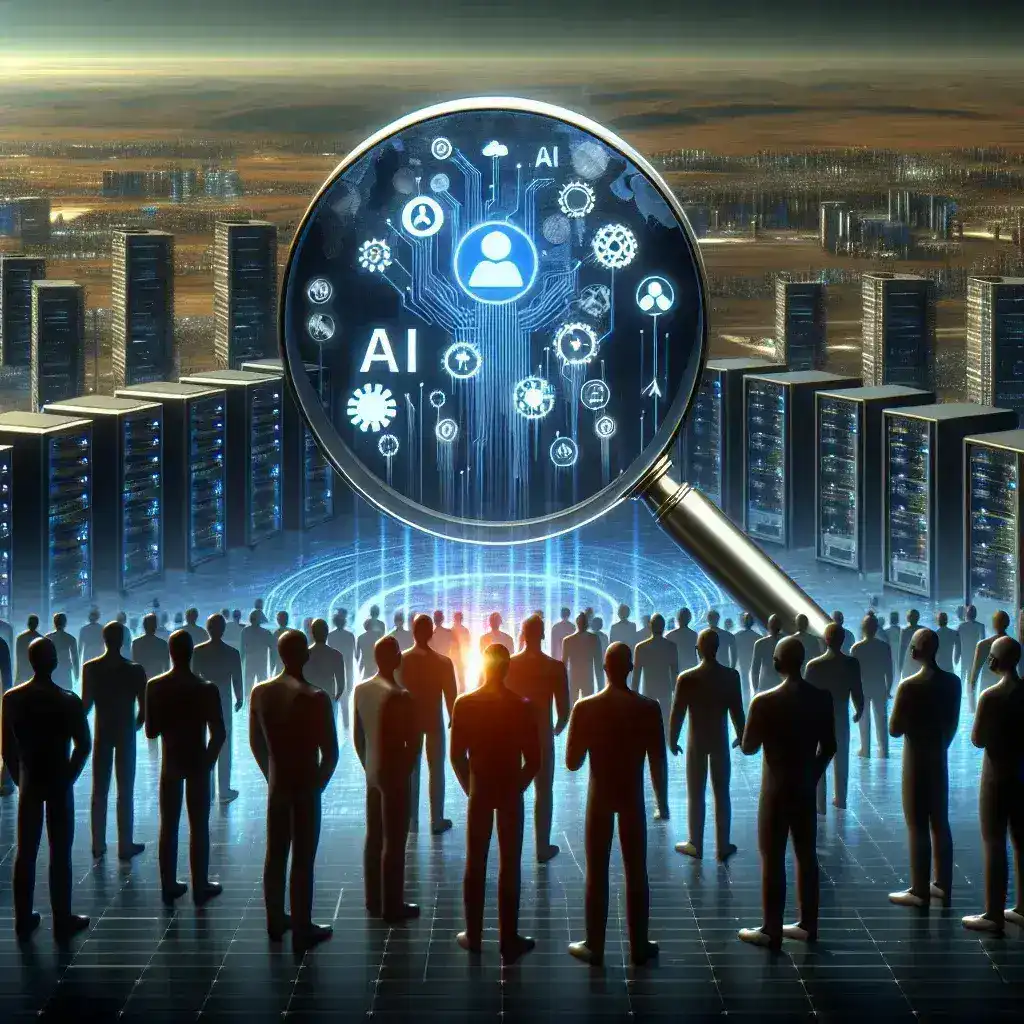
In today’s rapidly evolving cybersecurity landscape, traditional security measures are no longer sufficient to combat sophisticated threats. Organizations worldwide are turning to artificial intelligence to enhance their threat detection and response capabilities. AI-assisted threat hunting platforms have emerged as game-changing solutions that empower security teams to proactively identify, analyze, and neutralize potential threats before they can cause significant damage.
Understanding AI-Assisted Threat Hunting
AI-assisted threat hunting represents a paradigm shift from reactive to proactive cybersecurity. Unlike conventional security tools that rely on predefined rules and signatures, these platforms leverage machine learning algorithms, behavioral analytics, and advanced data processing to identify anomalous activities and potential threats in real-time. This approach enables security professionals to stay ahead of cybercriminals who continuously evolve their tactics.
The integration of artificial intelligence in threat hunting processes has revolutionized how organizations approach cybersecurity. By analyzing vast amounts of data from multiple sources, AI platforms can detect subtle patterns and correlations that human analysts might miss, significantly improving the accuracy and speed of threat identification.
Leading AI-Powered Threat Hunting Platforms
CrowdStrike Falcon
CrowdStrike Falcon stands as one of the most comprehensive cloud-native cybersecurity platforms in the market. This solution combines endpoint detection and response (EDR) with advanced threat intelligence and machine learning capabilities. The platform’s Threat Graph technology processes over 5 trillion events weekly, enabling real-time threat correlation and automated response.
Key features include behavioral analysis, file reputation scoring, and automated incident response. The platform’s AI algorithms continuously learn from global threat data, improving detection accuracy over time. CrowdStrike’s approach to threat hunting emphasizes speed and precision, making it particularly effective for large enterprises with complex IT environments.
Darktrace Enterprise Immune System
Darktrace has pioneered the application of unsupervised machine learning in cybersecurity through its Enterprise Immune System. This platform models normal behavior patterns across networks, devices, and users, automatically detecting deviations that may indicate threats. The system’s self-learning capabilities enable it to adapt to changing environments without requiring constant rule updates.
The platform excels in identifying insider threats, advanced persistent threats (APTs), and zero-day attacks. Its autonomous response capability, known as Antigena, can take surgical actions to contain threats while maintaining business continuity. This makes Darktrace particularly valuable for organizations seeking automated threat response capabilities.
IBM QRadar SIEM
IBM QRadar represents a mature approach to AI-assisted threat hunting, combining security information and event management (SIEM) with advanced analytics. The platform utilizes Watson for Cyber Security, IBM’s cognitive computing system, to analyze unstructured data from various sources including threat intelligence feeds, research reports, and security blogs.
QRadar’s strength lies in its comprehensive data correlation capabilities and extensive integration ecosystem. The platform can process millions of events per second while maintaining low false-positive rates. Its AI-driven insights help security analysts prioritize threats and understand attack vectors more effectively.
Splunk Enterprise Security
Splunk Enterprise Security leverages the power of machine learning to transform raw data into actionable security insights. The platform’s Universal Forwarders collect data from virtually any source, while its analytics engine applies sophisticated algorithms to identify threats and anomalies.
The solution’s Machine Learning Toolkit enables custom model development for specific use cases. Splunk’s approach emphasizes data visualization and interactive investigation capabilities, making it popular among security teams that prefer hands-on threat hunting approaches. The platform’s scalability makes it suitable for organizations of all sizes.
Microsoft Sentinel
Microsoft Sentinel offers a cloud-native security information and event management solution with built-in AI capabilities. The platform leverages Microsoft’s extensive threat intelligence network and Azure’s computing power to deliver scalable threat hunting capabilities.
Sentinel’s AI algorithms excel in user and entity behavioral analytics (UEBA), automatically establishing baselines for normal behavior and flagging anomalies. The platform’s integration with the broader Microsoft ecosystem provides seamless data collection and response capabilities for organizations already invested in Microsoft technologies.
Key Features to Consider
Machine Learning Capabilities
When evaluating AI-assisted threat hunting platforms, the sophistication of machine learning algorithms is paramount. Advanced platforms employ multiple ML techniques including supervised learning for known threat patterns, unsupervised learning for anomaly detection, and reinforcement learning for adaptive response strategies.
Data Integration and Correlation
Effective threat hunting requires comprehensive visibility across the entire IT infrastructure. Leading platforms offer extensive integration capabilities, supporting data ingestion from network devices, endpoints, cloud services, and third-party security tools. The ability to correlate data across these diverse sources is crucial for identifying complex attack patterns.
Automation and Orchestration
Modern threat hunting platforms increasingly incorporate security orchestration, automation, and response (SOAR) capabilities. These features enable automated threat containment, evidence collection, and incident response workflows, significantly reducing response times and minimizing human error.
Threat Intelligence Integration
Integration with global threat intelligence feeds enhances the platform’s ability to identify known threats and attack patterns. Leading solutions maintain extensive databases of indicators of compromise (IoCs) and tactics, techniques, and procedures (TTPs) used by threat actors.
Benefits of AI-Assisted Threat Hunting
The adoption of AI-powered threat hunting platforms offers numerous advantages for organizations seeking to strengthen their cybersecurity posture. Improved detection accuracy represents one of the most significant benefits, as AI algorithms can identify subtle patterns and anomalies that traditional rule-based systems might miss.
These platforms also provide enhanced speed of detection and response. While human analysts might take hours or days to investigate potential threats, AI systems can process and analyze data in real-time, enabling immediate threat identification and response. This rapid response capability is crucial for minimizing the impact of security incidents.
Cost effectiveness represents another compelling advantage. Although initial implementation costs may be substantial, AI-assisted platforms can significantly reduce the need for large security teams while improving overall security effectiveness. The automation of routine tasks allows security professionals to focus on strategic activities and complex investigations.
Implementation Considerations
Successful implementation of AI-assisted threat hunting platforms requires careful planning and consideration of organizational factors. Data quality and availability form the foundation of effective AI-driven threat hunting. Organizations must ensure comprehensive data collection and proper data hygiene practices to maximize platform effectiveness.
Staff training and skill development are equally important. While AI platforms automate many processes, human expertise remains crucial for platform configuration, result interpretation, and strategic decision-making. Organizations should invest in training programs to help security teams effectively leverage AI capabilities.
Integration with existing security infrastructure requires thorough planning. Organizations must assess compatibility with current tools and processes, ensuring seamless data flow and workflow integration. A phased implementation approach often proves most effective, allowing teams to gradually adapt to new capabilities.
Future Trends and Developments
The evolution of AI-assisted threat hunting continues to accelerate, with several emerging trends shaping the future of cybersecurity. Explainable AI is becoming increasingly important, as security teams require clear understanding of how AI systems reach their conclusions. This transparency is crucial for building trust and enabling effective human-AI collaboration.
Edge computing integration represents another significant trend, enabling threat detection and response at network edges. This approach reduces latency and improves response times for distributed organizations. Cloud-native architectures are also becoming standard, offering improved scalability and flexibility.
The integration of quantum computing concepts into threat hunting platforms may revolutionize cryptographic analysis and pattern recognition capabilities. While still in early stages, quantum-enhanced AI could provide unprecedented threat detection capabilities.
Conclusion
AI-assisted threat hunting platforms have fundamentally transformed the cybersecurity landscape, offering organizations powerful tools to combat increasingly sophisticated threats. The platforms discussed in this analysis represent the current state-of-the-art in AI-driven security solutions, each offering unique strengths and capabilities.
Success with these platforms requires careful evaluation of organizational needs, proper implementation planning, and ongoing investment in staff development. As threats continue to evolve, AI-assisted threat hunting will remain essential for maintaining effective cybersecurity defenses. Organizations that embrace these technologies today will be better positioned to face tomorrow’s security challenges.
The future of cybersecurity lies in the effective collaboration between human expertise and artificial intelligence. By leveraging the strengths of both, organizations can achieve unprecedented levels of security effectiveness while managing the complexity of modern IT environments. The investment in AI-assisted threat hunting platforms represents not just a technological upgrade, but a strategic imperative for organizations serious about cybersecurity.



Leave a Reply